We share a new best practices sheet developed by TT Club, focusing on a topic that, although recurrent, remains critical: email fraud (also known as Business Email Compromise – BEC).
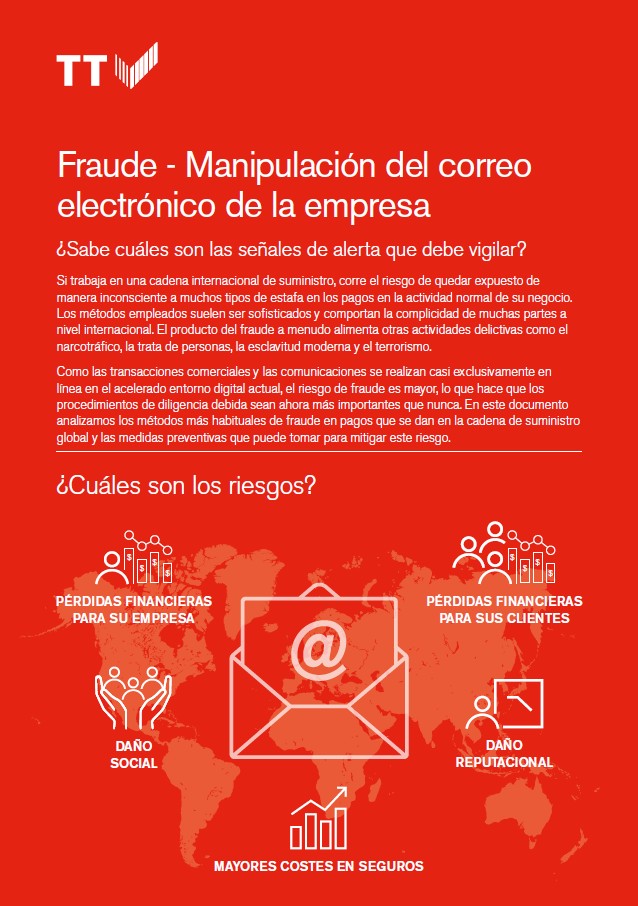
In an increasingly interconnected and fast-paced digital environment, the risks of fraud are on the rise – especially in the international supply chain and logistics sector. Such attacks not only lead to financial losses, but can also have a serious reputational and social impact, both for companies and their customers.
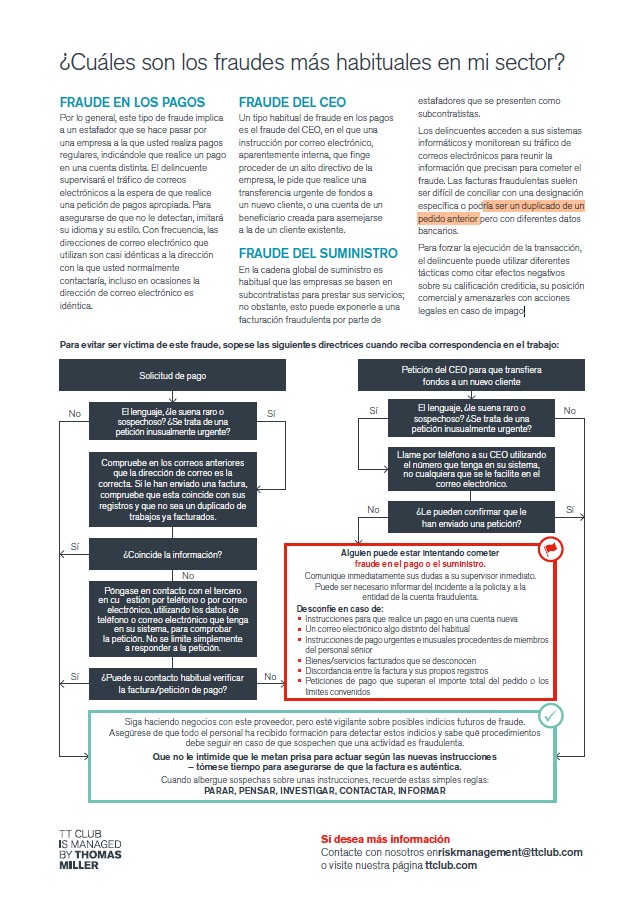
🚨 Main types of fraud highlighted:
- Payment fraud: Impersonation of regular vendors to divert wire transfers to fraudulent accounts. The fraudster imitates real emails, even replicating addresses accurately.
- CEO Fraud: Mails that appear to come from a senior internal official requesting urgent payments to fraudulent accounts.
- Supply fraud: Fraudulent invoicing by alleged subcontractors, often using pressure tactics to force payment.
These frauds are often supported by digital surveillance techniques, improper access to systems and manipulation of e-mail traffic.
🛡️ Awareness and due diligence are our best defenses. Therefore, it is important that all teams are aware of these threats and implement best practices to prevent them.